
Pedagogy First
for Teaching and Learning

✓ Explain the reasoning behind yourinstructional choices.
✓ Evaluate when, whether, and how AI serveslearning.
✓ Adapt your practice to complex classroomsituations.

✓ Use knowledge of learners to guidedifferentiation.
✓ Align learning goals, lesson sequences, andresources.
✓ Strengthen relationships, questioning, andclassroom dialogue.
✓ Design tasks that make learners’ thinkingvisible.
✓ Use formative evidence and feedback to guidenext steps.
✓ Address validity and academic integrity whenAI tools are available.
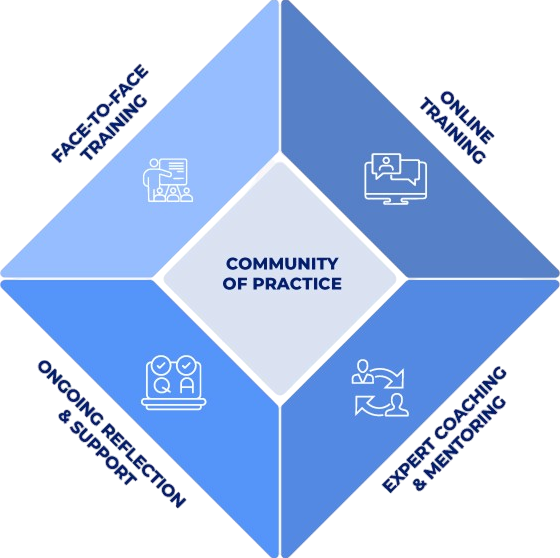
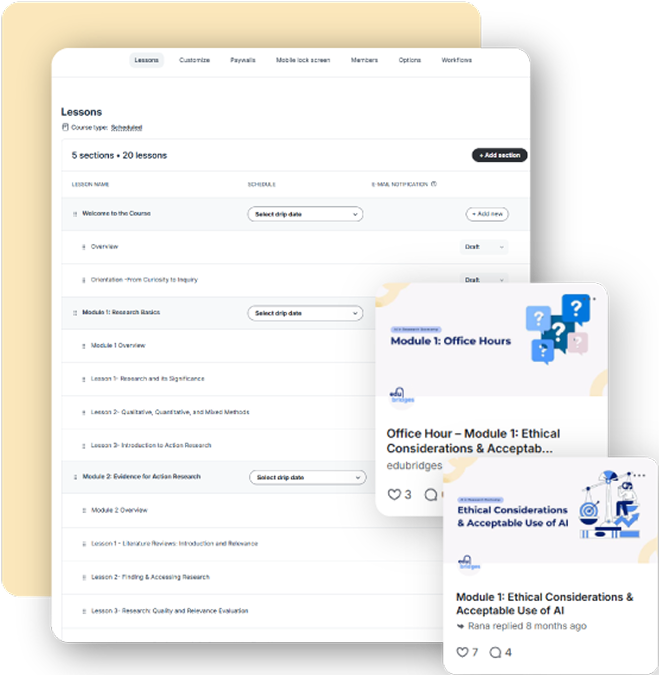

Module 1
Examine how AI is changing teaching and learning, including questions of academic integrity, bias, privacy, and overreliance. Establish principles for responsible use and reflect on the professional contribution you bring to learning.
Module 2
Explore the research informing effective teaching and the judgment that turns it into practice. Recognize the reasoning behind your decisions and strengthen your capacity to respond thoughtfully when a familiar approach no longer meets learners’ needs.
Module 3
Deepen your understanding of learners’ developmental, cultural, and contextual differences. Design responsive learning experiences and evaluate AI-generated resources for their relevance, quality, and suitability for the learners in front of you.
Module 4
Build coherent lessons and sequences that connect learning goals, activities, and evidence of understanding. Learn to critically review and adapt AI-generated plans, using your knowledge of the curriculum and learners to guide what you keep, change, or remove.
Module 5
Strengthen the relationships, routines, and classroom culture that support learning. Refine your questioning and facilitation so that discussion reveals thinking, extends reasoning, and creates space for learners to contribute meaningfully.
Module 6
Rethink assessment for a context in which learners have access to generative tools. Design meaningful tasks, use formative assessment to interpret understanding, and provide feedback that helps learners move forward while protecting the validity and integrity of assessment.
edubridges
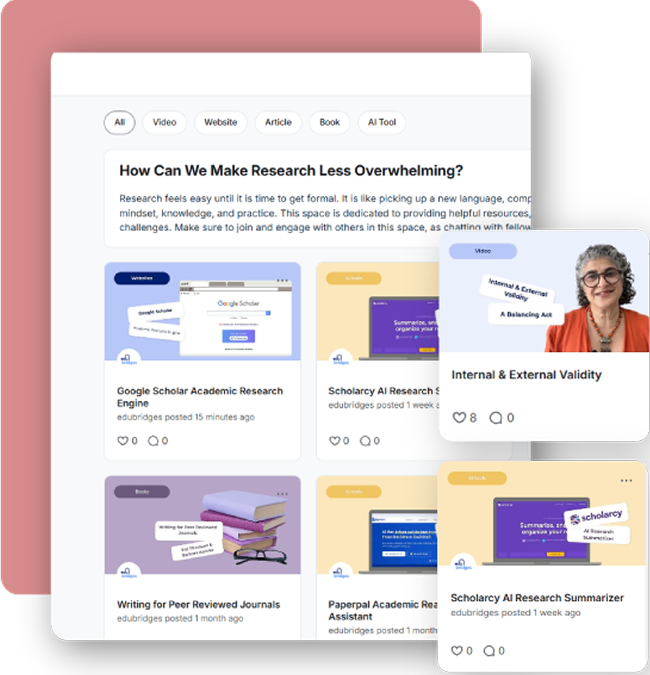
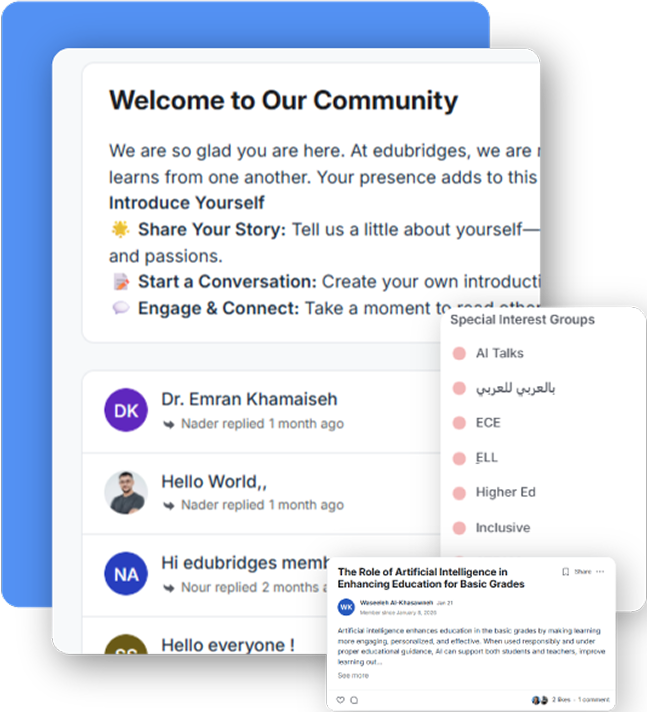
Learning doesn't stop when the program ends. Continue growing, collaborating, and refining your practice within the edubridges community.
Our programs are offered on a business-to-business basis
tailored to meet each organization’s unique needs. We invite institutions and partners to explore our offerings and reach out to discuss customized options. We also design new programs to address specific goals and emerging priorities.

Not a member yet?
Join the edubridges community
and become part of the conversation.